Source Colorless Isopropyl Myristate for Cosmetics, Skincare, and Hair Care
Compare 30 listings for colorless isopropyl myristate from verified Chinese manufacturers. Buyers can evaluate purity, packaging, and shipping options for cosmetic raw material sourcing needs. This guide helps you identify suitable grades, including industrial and cosmetic variants, while checking key specifications like CAS 110-27-0 and storage requirements to ensure quality for your specific application.
Key considerations
Products List






Comprehensive Sourcing Guide
Colorless Isopropyl Myristate Sourcing Guide
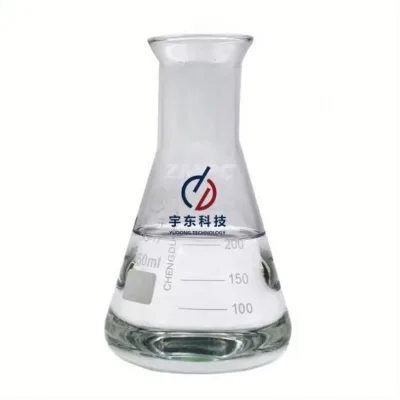
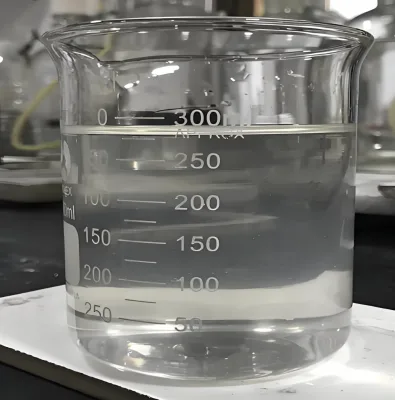
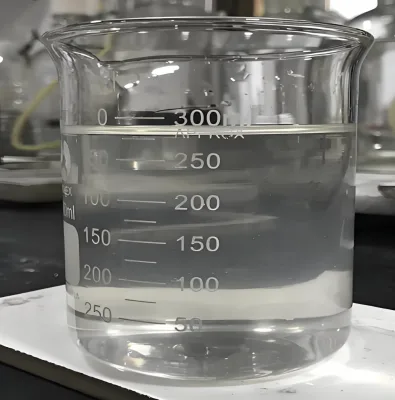
Procuring colorless isopropyl myristate requires a disciplined approach to verifying chemical identity and physical consistency. Buyers must confirm that the product matches the specific CAS number 110-27-0, which is the definitive identifier for this ester. The observed listings indicate a transparent, oily liquid appearance, often described as colorless or slightly yellow. This visual consistency is critical for cosmetic applications where clarity is a primary requirement. Sourcing from industrial or cosmetic grade suppliers ensures the material meets the necessary purity thresholds for downstream processing.
Understanding the market landscape involves recognizing the variety of packaging and origin options available. Listings show origins from various regions in China, including Hebei and Jiangsu, which may influence logistics and lead times. Packaging typically ranges from 50kg drums to 200kg barrels, allowing buyers to select formats that align with their storage capacity and usage rates. The availability of samples is a standard feature, enabling buyers to conduct preliminary testing before committing to larger volumes. This initial verification step helps mitigate risks associated with chemical variability and ensures the material integrates smoothly into existing production lines.
Product Scope and Observed Listing Signals
The product scope for isopropyl myristate is defined by its chemical structure and physical properties. It is an organic acid derivative with a molecular weight of 270.45, existing as a liquid at room temperature. The melting point is approximately 3 degrees Celsius, meaning it remains liquid in most standard storage conditions but may solidify in cold environments. The boiling point is observed at 193 degrees Celsius, which is relevant for distillation processes and safety protocols. Buyers should note that the product is odorless, a characteristic that supports its use in fragrance-free formulations.
Observed listing signals highlight the diversity in supplier offerings and product grades. Some listings specify industrial grade, while others indicate cosmetic grade, reflecting different purity levels and intended applications. The purity is commonly listed at 99%, which is a standard benchmark for high-quality chemical intermediates. Color variations are noted as transparent, colorless, or light yellow, with the latter potentially indicating minor impurities or oxidation. Buyers must carefully review these descriptors to ensure the specific shade and clarity meet their formulation requirements. Additionally, the presence of keywords like "Factory" and "Manufacturer" suggests direct sourcing options, which may offer better pricing and customization capabilities compared to trading companies.
Technical Specifications to Verify
Verifying technical specifications is essential to ensure the isopropyl myristate meets the required performance standards. The density of the product is observed at 0.85, which is a key parameter for quality control and formulation accuracy. Buyers should request a Certificate of Analysis (COA) that includes specific values for density, melting point, and boiling point. These metrics help confirm the chemical identity and purity of the batch. Any deviation from the expected values may indicate contamination or incorrect synthesis, which could affect the final product's stability and efficacy.
Storage conditions and shelf life are critical technical aspects that buyers must verify. The product is recommended to be stored in a dry place, sealed at room temperature, with a specific range of 2-8 degrees Celsius for optimal preservation. The shelf life is typically two years when properly stored, but this can vary based on storage conditions and packaging integrity. Buyers should ensure that the supplier provides clear storage instructions and that the packaging material is compatible with the chemical. Drum packaging, such as 200kg barrels, must be checked for leaks and corrosion resistance. Proper storage prevents degradation and maintains the product's colorless, oily liquid appearance over time.
Compliance and Safety Documentation
Compliance documentation is a cornerstone of responsible chemical procurement. Buyers must request a Material Safety Data Sheet (MSDS) to understand the hazards, handling procedures, and emergency measures associated with isopropyl myristate. The MSDS provides critical information on toxicity, flammability, and environmental impact, ensuring that the material can be safely handled in the workplace. Additionally, a Technical Data Sheet (TDS) offers detailed physical and chemical properties, which are essential for formulation development and quality assurance. These documents should be current and specific to the batch being purchased.
Certifications such as COSMOS may be relevant for buyers targeting the organic or natural cosmetics market. While not all suppliers offer this certification, its presence indicates adherence to specific environmental and ethical standards. Buyers should verify the scope and validity of any certifications claimed by the supplier. For industrial applications, compliance with local regulatory standards is paramount. The HS code 29159080 is used for customs clearance and should be verified to ensure accurate classification. Proper documentation facilitates smooth import processes and reduces the risk of regulatory delays or penalties.
Cost Drivers and Commercial Terms
Cost drivers for isopropyl myristate are influenced by raw material prices, production scale, and logistics. The observed price range in USD is 0.5 to 120, reflecting variations in quantity, grade, and supplier type. Bulk purchases typically result in lower per-unit costs, making it advantageous for large-scale manufacturers. Buyers should negotiate terms that include volume discounts and long-term pricing agreements to stabilize costs. The minimum order quantity (MOQ) varies, with some suppliers offering as low as 1kg for samples and others requiring 175kg or more for commercial orders. Understanding these thresholds helps buyers plan their inventory and cash flow effectively.
Commercial terms also include shipping methods and payment structures. Shipping options include FedEx, air, and sea, with sea freight being the most cost-effective for large volumes. Buyers should consider the impact of shipping costs on the total landed price, especially for international orders. Payment terms, such as letters of credit or advance payments, should be negotiated based on the supplier's creditworthiness and the buyer's financial policies. Clear communication of these terms prevents disputes and ensures a smooth transaction. Additionally, buyers should inquire about any additional fees, such as customs duties or insurance, to avoid unexpected costs.
Supplier Qualification and Quality Control
Supplier qualification involves assessing the manufacturer's capabilities, reputation, and quality management systems. Buyers should verify the supplier's production capacity, technical expertise, and experience in the chemical industry. A reputable supplier will have a robust quality control process, including in-process checks and final product testing. Requesting a factory audit or visiting the facility can provide insights into the supplier's operational standards and commitment to quality. The supplier's ability to provide consistent batches with minimal variability is a key indicator of reliability.
Quality control measures should include regular testing for purity, color, and odor. Buyers can request third-party testing reports to independently verify the product's specifications. The supplier should have a clear protocol for handling non-conforming products, including replacement or refund policies. Establishing a strong relationship with the supplier facilitates open communication and quick resolution of any issues. Buyers should also consider the supplier's responsiveness and willingness to provide technical support, which can be valuable for troubleshooting formulation challenges.
Long-Term Procurement Checks
Long-term procurement checks focus on ensuring the sustainability and reliability of the supply chain. Buyers should monitor the supplier's financial health and market reputation to assess their ability to fulfill future orders. Regular performance reviews, including on-time delivery rates and quality consistency, help identify potential risks early. Diversifying the supplier base can mitigate the risk of supply disruptions, especially in volatile market conditions. Buyers should maintain open lines of communication with suppliers to stay informed about any changes in production or logistics.
Strategic partnerships with suppliers can lead to better pricing, priority access to new products, and collaborative development opportunities. Buyers should consider the supplier's commitment to innovation and their ability to adapt to changing market demands. Regularly updating the supplier's qualification status and compliance documentation ensures that the partnership remains aligned with the buyer's standards. By implementing these long-term checks, buyers can build a resilient and efficient procurement process for colorless isopropyl myristate.
FAQs
What is the purity level of colorless isopropyl myristate?
The product typically offers a purity level of 99 percent. This high-grade material is suitable for cosmetic applications and industrial uses. Buyers should verify specific batch certificates to ensure compliance with their quality requirements before placing large orders.
How is colorless isopropyl myristate packaged for shipping?
Standard packaging options include 200kg drums or barrels for bulk transport. Some suppliers also offer 50kg drums for smaller quantities. The packaging ensures the liquid remains sealed and protected during transit via air, sea, or courier services like FedEx.
Can I get samples of colorless isopropyl myristate before ordering?
Yes, samples are available for potential buyers to evaluate the product quality. This allows clients to verify the oily liquid appearance and odorless characteristics. Requesting a sample is a practical step before committing to larger purchase volumes from the manufacturer.
What certifications are available for colorless isopropyl myristate?
Suppliers provide documentation such as COA, MSDS, and TDS for most batches. Some specific products may also carry Cosmos certification for cosmetic grade materials. These documents verify the chemical identity and safety standards required for industrial and cosmetic applications.
Where is colorless isopropyl myristate manufactured?
The product originates from manufacturing facilities located in China, specifically in regions like Hebei and Jiangsu. These locations serve as the primary source for the synthesis material intermediates. Buyers can expect consistent supply chains from these established industrial hubs.
What is the shelf life of colorless isopropyl myristate?
The product has a shelf life of two years when stored properly. It should be kept in a dry place, sealed, and at room temperature or between 2 to 8 degrees Celsius. Proper storage conditions are essential to maintain the chemical stability and purity over time.
What is the minimum order quantity for colorless isopropyl myristate?
Minimum order quantities vary by supplier, ranging from 1 kilogram to 175 kilograms. Some vendors set the MOQ at 1kg for samples or small trials, while others require 175kg for standard industrial batches. Buyers should check specific supplier terms for their required volume.